Get Linoleum Floor Installation
Local contractors can install linoleum flooring to repair, replace, or upgrade surfaces in residential or commercial spaces, ensuring durable and attractive results.
If you are considering linoleum flooring installation, you are in the right place to explore your options. Property owners in the area often look into this versatile flooring choice for its durability, ease of maintenance, and aesthetic appeal. Whether updating a single room or planning a larger renovation, understanding the benefits of professional installation can help ensure the project meets your expectations and adds long-term value to your space.
Finding the right service providers is an important step in planning your flooring project. Local contractors who specialize in linoleum floor installation can offer insights into material selection, installation techniques, and best practices tailored to your property’s needs. Continuing to explore your options will help you compare local service providers and connect with experienced professionals ready to assist with your project.
- Residential linoleum flooring installation - homeowners seeking a durable and affordable flooring option for living spaces.
- Commercial linoleum flooring services - businesses needing resilient flooring solutions for high-traffic areas.
- Old floor removal and prep for linoleum - property owners requiring existing flooring to be safely removed before new installation.
- Custom linoleum patterns and designs - clients interested in unique or decorative flooring to enhance interior aesthetics.
- Floor repair and patching for linoleum - those needing to fix damaged sections prior to or during linoleum installation.
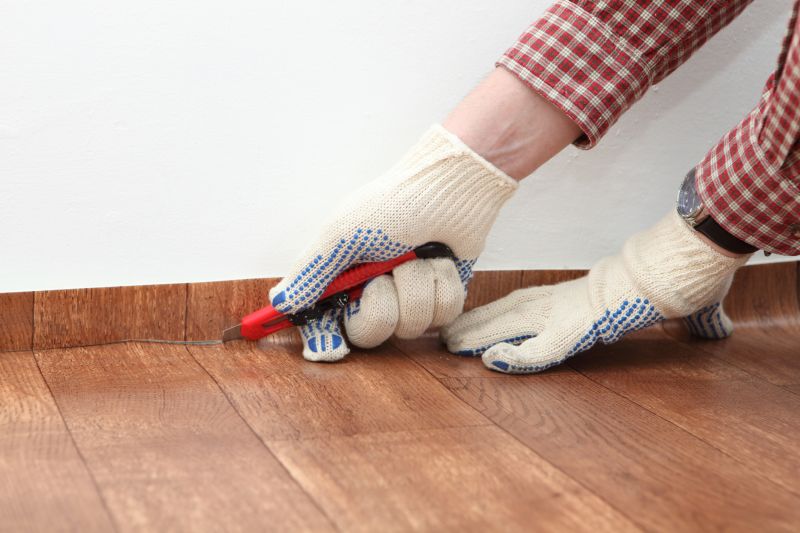

Linoleum floor installation involves replacing or upgrading existing flooring with durable, versatile linoleum material. This service typically includes preparing the subfloor, measuring and cutting the linoleum to fit the space, and securely installing the material to ensure a smooth, even surface. Professional installers can handle various room sizes and configurations, ensuring the finished floor is both functional and visually appealing. Proper installation is essential to maximize the lifespan of the flooring and achieve a seamless look that enhances the overall appearance of a property.
Many property owners turn to linoleum flooring to address common problems such as worn-out surfaces, water damage, or outdated aesthetics. Linoleum provides a resilient surface that resists scratches and stains, making it suitable for high-traffic areas like kitchens, hallways, and laundry rooms. It also offers a cost-effective alternative to other flooring options, providing a durable solution that can help improve the comfort and safety of a space. Professional installation ensures the material is properly sealed and secured, reducing the risk of future issues like warping or lifting.
Linoleum floor installation is frequently chosen for residential properties, including single-family homes, apartments, and condominiums. It is also popular in commercial settings such as offices, retail stores, and healthcare facilities where durability and ease of maintenance are priorities. Homeowners often opt for linoleum in areas prone to moisture or spills, as the material’s water-resistant properties help protect the underlying subfloor. The versatility of linoleum makes it suitable for a wide range of environments, providing a practical flooring solution for many different property types.
When considering linoleum floor installation, property owners should evaluate the condition of their existing floors and determine if a full replacement or overlay is needed. This service can help solve issues related to uneven surfaces, outdated design, or damaged flooring that no longer performs well. Local contractors skilled in linoleum installation can assess the space, recommend appropriate materials, and ensure the work is completed to a high standard. Contacting experienced service providers can help ensure the project meets both functional needs and aesthetic preferences.
The overview below groups typical Linoleum Floor Installation projects into broad ranges so you can see how smaller, mid-sized, and larger jobs often compare in your area.
In many markets, a large share of routine jobs stays in the lower and middle ranges, while only a smaller percentage of projects moves into the highest bands when the work is more complex or site conditions are harder than average.
Smaller Repairs - Basic linoleum repair or patchwork typically costs between $100 and $300 for many routine jobs. Most small projects fall within this range, depending on the extent of damage and materials needed.
Partial Installation - Installing linoleum in a single room or a small area usually ranges from $250 to $600. Larger, more complex projects can push costs higher, but many jobs stay within this middle tier.
Full Room Replacement - Replacing linoleum throughout an entire room generally costs between $600 and $1,200. This is a common price band for complete room overhauls, though prices can vary based on size and surface prep.
Whole-Home or Large-Scale Projects - Extensive linoleum installation across multiple rooms or an entire home can reach $2,000 to $5,000 or more. Larger, more intricate projects are less common and tend to fall into the higher end of the price spectrum.
Actual totals will depend on details like access to the work area, the scope of the project, and the materials selected, so use these as general starting points rather than exact figures.
Vinyl Flooring Installation - professionals skilled in laying durable and seamless vinyl flooring share techniques with linoleum installation, including surface preparation and precise cutting.
Carpet Tile Installation - installing carpet tiles involves similar planning, layout, and adhesive application skills as linoleum flooring projects.
Laminate Floor Installation - laminate flooring installation requires knowledge of subfloor preparation and click-lock systems, which are also used in linoleum flooring setups.
Underlayment and Subfloor Preparation - services focused on preparing surfaces for various flooring types utilize comparable skills in surface leveling and moisture barrier installation.
Resilient Flooring Repair - repairing resilient floors like linoleum involves similar patching, seam sealing, and surface finishing techniques.
Commercial Flooring Installation - large-scale commercial projects often require planning and skillsets aligned with those used in residential linoleum flooring installation.
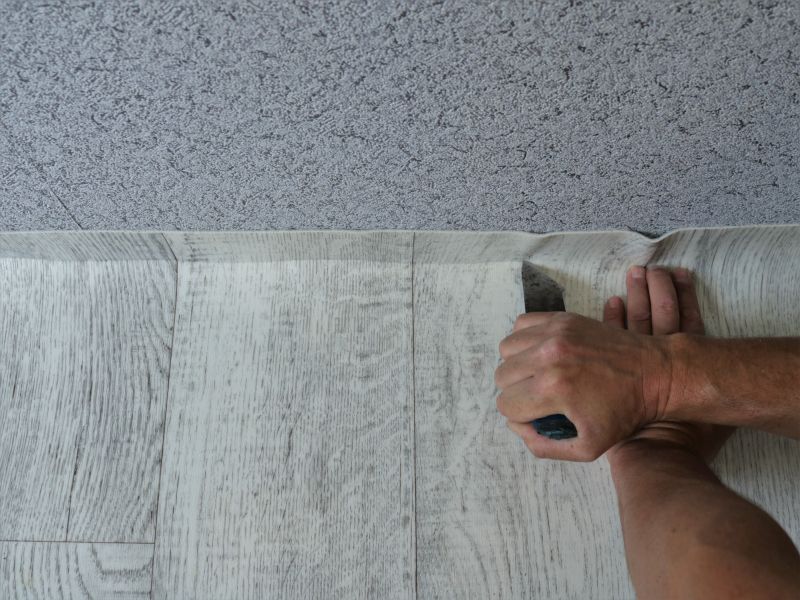
When comparing local contractors for linoleum floor installation, it’s important to consider their experience with similar projects. Homeowners should inquire about the types of flooring work they have completed in the past, especially projects that resemble the scope and style of the desired installation. A contractor with a proven track record in linoleum or similar resilient flooring can provide insights into the process and help ensure that the chosen professional has the necessary skills to handle the specifics of the job.
Clear, written expectations are essential to avoid misunderstandings and ensure satisfaction with the finished work. Homeowners should seek service providers who can offer detailed estimates and scope of work in writing, outlining the materials, steps involved, and any preparation or cleanup required. Having this information documented helps set mutual understanding and provides a reference point throughout the project, making it easier to compare options and make informed decisions.
Reputable references and good communication are key indicators of a reliable service provider. Homeowners are encouraged to ask for references from previous clients or look for reviews that highlight the contractor’s professionalism and quality of work. Additionally, choosing a local contractor known for clear and prompt communication can contribute to a smoother experience, from initial contact through project completion. Remember, the site connects homeowners with local pros capable of handling the installation, but it does not perform the work itself.
Property owners use Linoleum Floor Installation services for practical projects around their homes and businesses. This guide focuses on everyday jobs and straightforward project options.
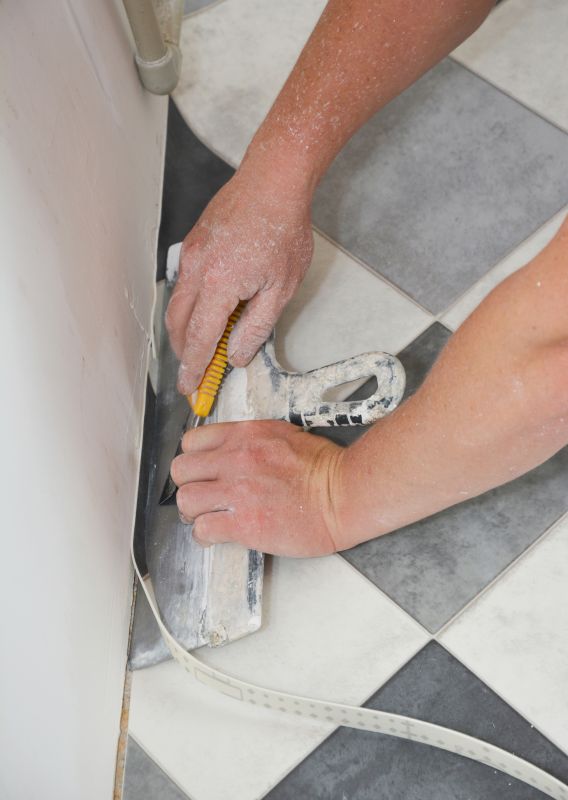
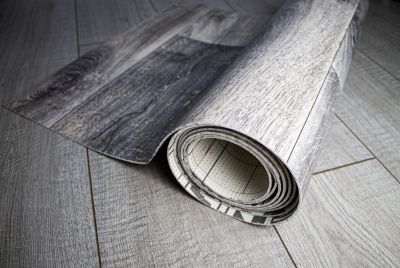
Linoleum floor installation is a common project for property owners updating kitchens, bathrooms, or other high-traffic areas. Whether replacing worn-out flooring or installing new surfaces in a home or commercial space, local contractors can provide the expertise needed to ensure a smooth and durable finish. Property owners often seek out these services to improve the look of their space, enhance functionality, or prepare a property for sale or rental.
Many property owners turn to local service providers when renovating or remodeling to achieve a clean, uniform appearance for their floors. Linoleum is appreciated for its affordability and ease of maintenance, making it a popular choice for busy households and businesses alike. Local contractors can handle a range of project situations, from small upgrades to larger installations, helping property owners get their floors installed efficiently and to their satisfaction.
What types of linoleum flooring are available for installation? Local contractors can install various types of linoleum flooring, including sheet, tile, and plank styles, to suit different aesthetic preferences and space requirements.
How should I prepare my space for linoleum floor installation? Service providers typically recommend clearing the area of furniture and debris, ensuring the subfloor is clean and level, and addressing any existing damage before installation begins.
What are the common steps involved in installing linoleum flooring? Installation generally involves measuring and cutting the linoleum, preparing the subfloor, applying adhesive if needed, and carefully laying and smoothing the material to prevent bubbles or wrinkles.
Can linoleum flooring be installed over existing flooring? Many local contractors can install linoleum over certain types of existing flooring, provided the surface is suitable and properly prepared to ensure a smooth and durable finish.
What maintenance is required after linoleum flooring is installed? Proper maintenance includes regular sweeping or vacuuming, damp mopping with appropriate cleaners, and avoiding excessive moisture to preserve the flooring’s appearance and longevity.
Renovating a Basement - Property owners planning to finish or update their basement can find local contractors who specialize in durable linoleum flooring suitable for high-traffic areas.
Updating a Kitchen or Bathroom - Those remodeling kitchens or bathrooms might consider linoleum flooring for a water-resistant and easy-to-maintain surface installed by local service providers.
Installing New Flooring in a Commercial Space - Business owners upgrading their retail or office spaces can connect with local pros to install resilient linoleum floors that withstand daily wear.
Creating a Playroom or Home Gym - Homeowners designing a dedicated play or workout area can work with local contractors to choose and install comfortable, easy-to-clean linoleum flooring.
If you are thinking about Linoleum Floor Installation for a property, this guide is meant to help you understand the work, the typical project types, and how different options might fit your plans.
When you are ready, you can use the quote form on this page to share a few details about your project. From there, local pros can review the basics and respond with options that match what you have in mind.